
Ai Content Generator
Ai Picture
Tell Your Story

.webp)
 Goldfarb associates
How Can You Tell If Your Fuel Injectors Are Leaking?
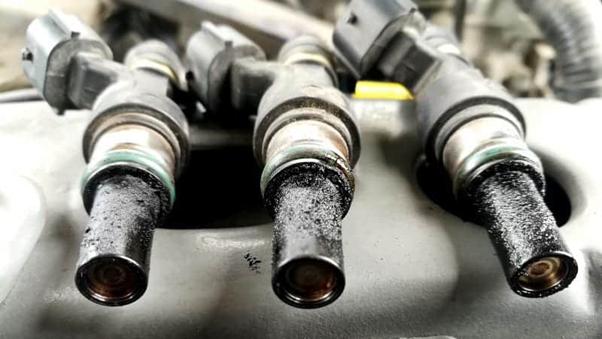
Fuel injectors play a crucial role in delivering fuel to your engine, ensuring proper combustion and engine performance. If your fuel injectors are leaking, it can lead to significant engine issues, including poor fuel efficiency, rough idling, or even engine damage. It’s essential to identify a leaking fuel injector early to avoid costly repairs and performance loss. Here are some common signs that your fuel injectors may be leaking:
Strong Fuel Smell Around the Engine
One of the most noticeable signs of a leaking fuel injector is a strong smell of gasoline near the engine. This happens because fuel is leaking from the injector and evaporating. If you detect this odor, it’s essential to inspect the injectors to ensure there are no leaks, as gasoline vapor can be dangerous and cause fire hazards.
Rough Engine Idle or Misfires
Leaking fuel injectors can cause an uneven fuel mixture in the engine. This disruption leads to rough idling or misfires. If you notice that your engine is struggling to idle smoothly, with increased vibrations or stalling, it could be due to an issue with the injectors. A leaking injector may cause too much fuel to enter a cylinder, affecting engine performance.
Decreased Fuel Efficiency
If your fuel injectors are leaking, more fuel than necessary will enter the engine. This excess fuel is not burned efficiently, leading to a noticeable drop in fuel economy. If you find that you’re filling up your gas tank more often without a change in driving habits, it’s worth having your fuel injectors checked for leaks.
Engine Warning Light (Check Engine Light)
Modern vehicles are equipped with sensors that monitor the fuel system’s performance. A leaking fuel injector can trigger the check engine light (CEL) to come on, indicating an issue with fuel delivery or the air-fuel mixture. When the CEL appears, it’s important to get your vehicle diagnosed using an OBD-II scanner to pinpoint whether the fuel injectors are leaking.
Poor Acceleration or Power Loss
A leaking fuel injector can affect engine performance by disrupting the proper air-fuel ratio. As a result, you may experience sluggish acceleration or a noticeable drop in power when you press the gas pedal. If you notice a loss of power while driving, especially during acceleration, leaking injectors could be the cause.
Unexplained Engine Stalling
Excess fuel from a leaking injector can flood the engine, causing it to stall unexpectedly. If your vehicle stalls or shuts down while driving, it’s a strong indicator that something is wrong with the fuel system, and the injectors may be leaking.
How to Diagnose and Fix Leaking Fuel Injectors
If you suspect your fuel injectors are leaking, it’s important to have them inspected by a professional. Here are some steps involved in diagnosing the problem:
Visual Inspection: Look for any visible signs of fuel around the injectors. If fuel is dripping, that’s a clear indication of a leak.
Fuel Pressure Test: A mechanic may perform a fuel pressure test to check for leaks in the fuel system.

Injector Leak Test: A more detailed test can be done to check if an injector is leaking by monitoring its spray pattern and fuel flow.
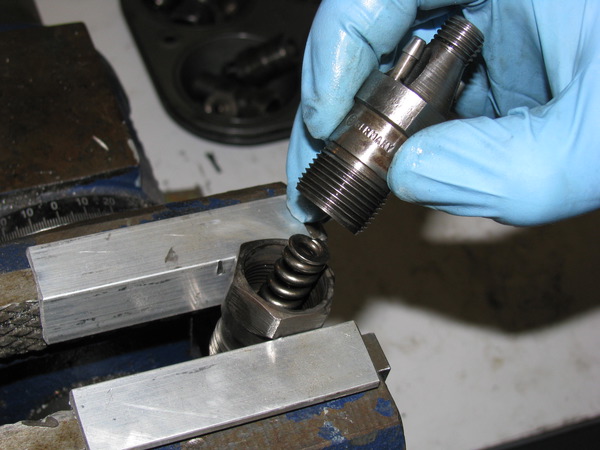
If a leak is confirmed, the injector may need to be cleaned, repaired, or replaced.
Conclusion
Leaking fuel injectors can negatively impact your engine’s performance, fuel economy, and even your safety. By recognizing the signs of a leak—such as a strong fuel smell, rough idle, poor acceleration, or decreased fuel efficiency—you can address the problem promptly. If you suspect your injectors are leaking, don’t hesitate to get them inspected and fixed by a professional mechanic to avoid further damage to your vehicle.
Related Posts
© 2025 Invastor. All Rights Reserved
User Comments